Pneumatic Disc Clutches About
These
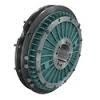
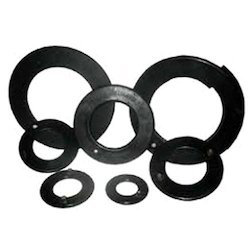
Pneumatic Disc Clutches are normally off type units. Frequent adjustment is required as clutch plates wear. Wearing parts are replaceable of these
Pneumatic Disc Clutches. We are in a position to furnish the proper size Clutches for newest type drilling rigs. Clutches are drilled to fit each individual draw works and are also available undrilled.
Our organization is engaged in offer qualitative range of
Disc Clutches as per the demands of our esteemed clients. These are sourced from our trusted and reliable vendors that ensure only optimum quality product is delivered at industry leading prices. Further, we can solve any quarries regarding
Disc Clutches to our customers.
Product Features:
- Torque range from 3 to 6779 Nm (20 - 60,000 in. lbs.) .
- Bore Size from 13 - 100mm (0.625 to 3.938 inches) .
- Air engaged / spring released models.
- Single or Multi-position models.
- Fast response time.
- Inch and Metric models available.
- Varialble mounting options on either the motor or driven shaft with a pulley, sprocket or flexible coupling on the pilot
Engineered for Heavy-Duty PerformanceThese pneumatic disc clutches are specifically designed to excel in demanding industrial environments such as presses, rolling mills, and heavy-duty drives. The robust steel construction, corrosion-resistant finish, and gray & green color scheme underscore their durability. With the ability to operate up to 2500 rpm and handle torque up to 4500 Nm, they ensure consistent performance even under intensive workloads.
Efficient and Rapid OperationThanks to their multi-disc or single plate structure and high-speed actuation, engagement and disengagement times are remarkably fast-under one second. Utilizing filtered, lubricated dry air as the operating medium, these clutches keep air consumption efficient (1.5-2.5 cfm) and operation smooth, minimizing downtime and maximizing throughput in industrial production lines.
FAQ's of Pneumatic Disc Clutches:
Q: How does the pneumatic disc clutch engage and disengage so quickly?
A: This clutch utilizes a high-speed pneumatic actuation system that rapidly responds to supplied air pressure (6-8 bar). The advanced design and precise air distribution ensure that engagement or disengagement occurs in less than one second, which is crucial for applications requiring frequent back-and-forth operations.
Q: What kind of applications are these pneumatic disc clutches best suited for?
A: They are ideal for heavy-duty industrial machinery, including presses, rolling mills, and large industrial drives where rapid and reliable torque transfer is essential. Their robust build makes them a preferred choice in settings demanding high performance and reliability.
Q: When should the clutch be maintained for optimal performance?
A: Regular checks are advised, especially in environments with heavy loads or frequent cycling. Key areas to monitor include air lines for leaks, the condition of sealing surfaces, and air filters for proper lubrication and cleanliness. Scheduled maintenance based on your operating cycles will help ensure consistent performance.
Q: Where are these clutches typically mounted in a machine?
A: These clutches feature versatile mounting options. They can be installed either on a shaft or via flange mounting, depending on the drive structure of the equipment. The mounting mode should be selected based on your machinery's configuration and application needs.
Q: What is the benefit of using a steel, corrosion-resistant construction?
A: The steel body and corrosion-resistant finish provide enhanced durability and longevity, especially in harsh industrial settings. This ensures the clutch remains operational over extended periods, reducing maintenance intervals and replacement costs.
Q: How much air does the clutch consume during normal operation?
A: The pneumatic disc clutch consumes approximately 1.5 to 2.5 cubic feet per minute (cfm) of filtered, lubricated dry air. Keeping air supply within this range maintains optimal performance and prevents excessive wear or operational delays.
Q: What process is involved in selecting the right bore size for my application?
A: Bore size selection depends on your machinery's shaft dimensions and torque requirements. With options typically ranging from 40 mm to 200 mm, you should choose a size that matches your drive shaft and application torque to ensure efficient power transmission.






 Send Inquiry

